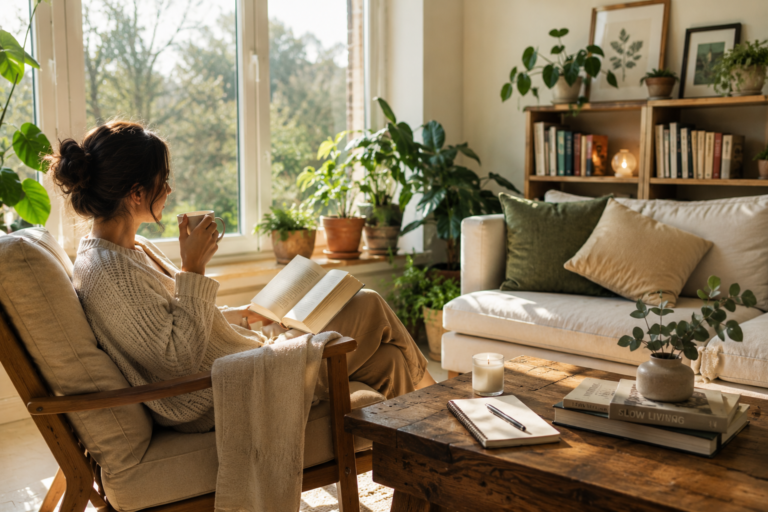
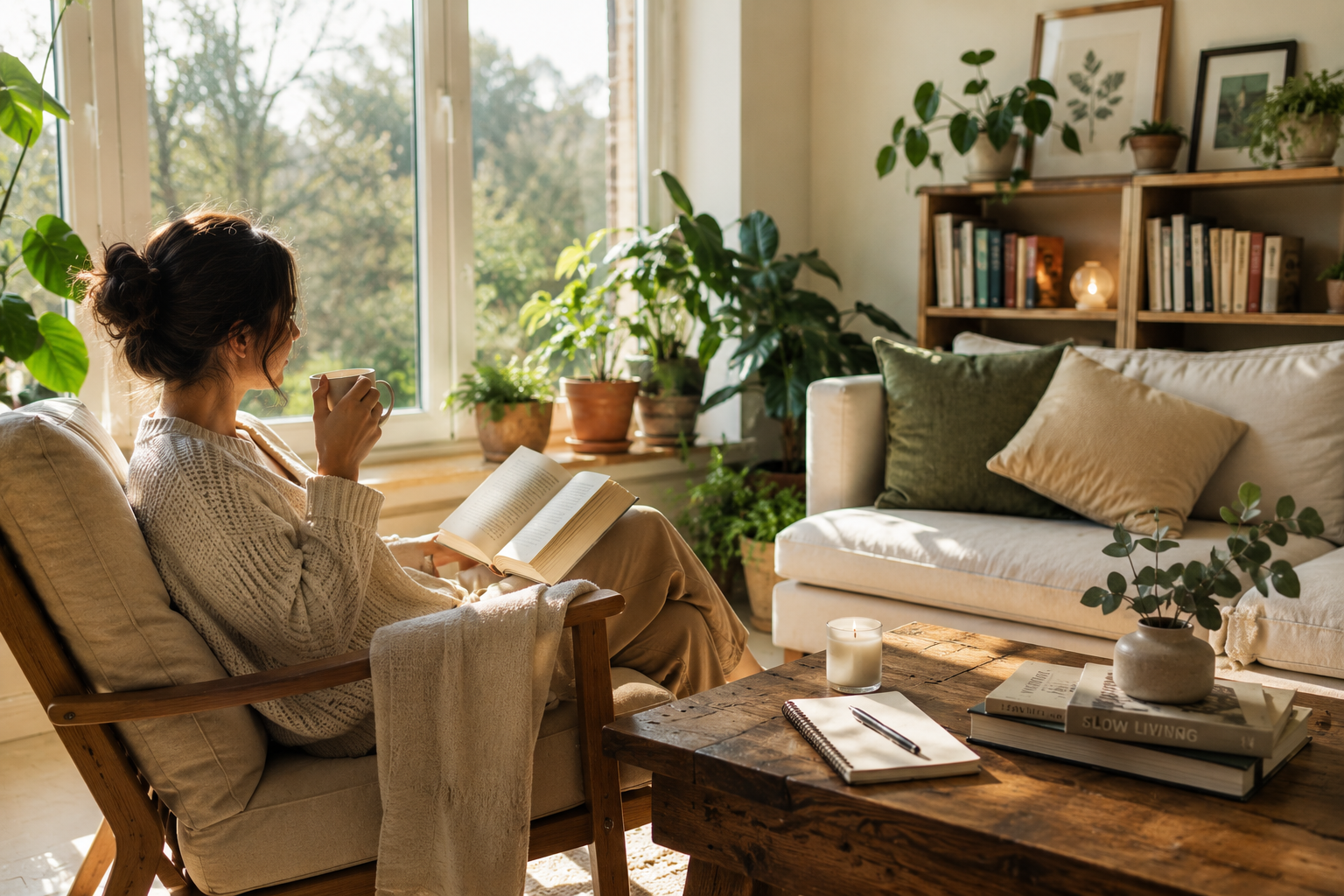
Slow living encourages people to slow down, reduce stress, and focus on meaningful experiences, creating a healthier and more balanced lifestyle.
Modern life feels faster than ever.
People are constantly checking notifications, responding to emails, scrolling through social media, and trying to keep up with endless responsibilities.
Technology has made many things easier, but it has also created a lifestyle where many people feel overwhelmed and exhausted.
As a result, a growing number of people are embracing a different approach to life.
This movement is known as slow living.
Instead of rushing through every day, slow living encourages people to focus on what truly matters and enjoy life at a healthier pace.
In 2026, this lifestyle trend is becoming more popular around the world.
But what exactly is slow living, and why are so many people choosing it?
Let’s take a closer look.
What Is Slow Living?
Slow living is a lifestyle that focuses on being intentional with time, energy, and daily activities.
The goal is not to do everything slowly.
Instead, it means paying attention to what is important and reducing unnecessary stress and distractions.
People who practice slow living often focus on:
- Quality over quantity
- Meaningful experiences
- Better work-life balance
- Mindful habits
- Stronger relationships
- Reduced stress
The idea is to create a lifestyle that feels more fulfilling and less rushed.
Why Is Slow Living Becoming Popular?
Several factors have contributed to the rise of slow living.
Many people feel overwhelmed by modern life.
Social media, constant connectivity, and busy schedules can create pressure to always be productive.
At the same time, more people are becoming aware of the importance of mental health and personal well-being.
Rather than constantly chasing more success, many individuals are choosing to focus on happiness, health, and balance.
This shift in priorities is helping slow living gain popularity.
The Impact of Technology
Technology offers many benefits, but it can also create distractions.
Many people spend hours each day checking phones, emails, and social media platforms.
Over time, this can lead to information overload.
Slow living encourages people to use technology more intentionally.
For example:
- Limiting screen time
- Turning off unnecessary notifications
- Spending more time offline
- Creating technology-free spaces at home
These small changes can help reduce stress and improve focus.
Creating a More Meaningful Daily Routine
One of the core principles of slow living is being present.
Instead of rushing through daily activities, people are encouraged to enjoy them.
Simple activities can become more meaningful when given proper attention.
Examples include:
- Enjoying a morning coffee without distractions
- Taking a walk outdoors
- Cooking meals at home
- Reading a book
- Spending time with family
These moments may seem small, but they can have a significant impact on overall well-being.
Why Younger Generations Are Embracing Slow Living
Many younger adults are questioning traditional ideas about success.
Previous generations often focused heavily on career achievements and material possessions.
Today, many young people place greater value on:
- Flexibility
- Mental health
- Personal growth
- Experiences
- Work-life balance
The rise of remote work has also given people more freedom to design lifestyles that match their priorities.
As a result, slow living has become especially appealing to younger generations.
Benefits of Slow Living
Many people report positive changes after adopting a slower lifestyle.
Reduced Stress
One of the biggest benefits is lower stress levels.
When people stop trying to do everything at once, they often feel calmer and more in control.
Better Mental Health
Slowing down can help reduce feelings of anxiety and burnout.
Many people find that they feel happier when they focus on the present moment.
Improved Relationships
Slow living encourages spending quality time with friends and family.
Stronger relationships often lead to greater life satisfaction.
Better Physical Health
People who embrace slow living often prioritize sleep, exercise, and healthy eating habits.
These changes can improve overall health and energy levels.
Common Misconceptions About Slow Living
Some people assume slow living means being lazy or unproductive.
That is not true.
Slow living is about being intentional.
People still work, pursue goals, and build successful careers.
The difference is that they focus on activities that truly matter rather than constantly staying busy.
In many cases, people become more productive because they eliminate unnecessary distractions.
Simple Ways to Start Slow Living
Adopting slow living does not require major life changes.
Small adjustments can make a big difference.
Here are some simple ideas:
Start Your Day Without Social Media
Avoid checking your phone immediately after waking up.
Schedule Quiet Time
Spend a few minutes each day without screens or distractions.
Focus on One Task at a Time
Multitasking often reduces focus and increases stress.
Spend More Time Outdoors
Nature can help improve mood and mental clarity.
Simplify Your Schedule
Avoid overcommitting to activities that do not add value to your life.
These small habits can help create a more balanced lifestyle.
Is Slow Living Just a Trend?
While slow living is gaining attention in 2026, many experts believe it is more than a temporary trend.
People are becoming increasingly aware of the importance of mental health, balance, and personal well-being.
As modern life becomes more demanding, the desire for simplicity is likely to continue growing.
For many individuals, slow living represents a long-term shift in how they approach life rather than a short-term lifestyle trend.
FAQ
What is slow living?
Slow living is a lifestyle that focuses on intentional living, reduced stress, and prioritizing meaningful experiences.
Does slow living mean doing everything slowly?
No. It means being mindful and focusing on what truly matters rather than constantly rushing.
Why is slow living becoming popular?
People are seeking better work-life balance, improved mental health, and a simpler way of life.
Can slow living improve mental health?
Many people report reduced stress, less anxiety, and greater happiness after adopting slow living habits.
How can I start slow living?
You can begin by reducing distractions, simplifying your schedule, spending time outdoors, and focusing on one task at a time.
Conclusion
Slow living is becoming one of the most important lifestyle movements of 2026.
In a world filled with constant notifications, busy schedules, and endless distractions, many people are choosing a simpler and more intentional way of life.
By focusing on meaningful experiences, stronger relationships, and better balance, slow living offers an alternative to the pressure of always being busy.
While it may not look the same for everyone, the core idea remains simple.
Life does not always need to move at full speed.
Sometimes slowing down is the best way to truly enjoy it.
About the Author