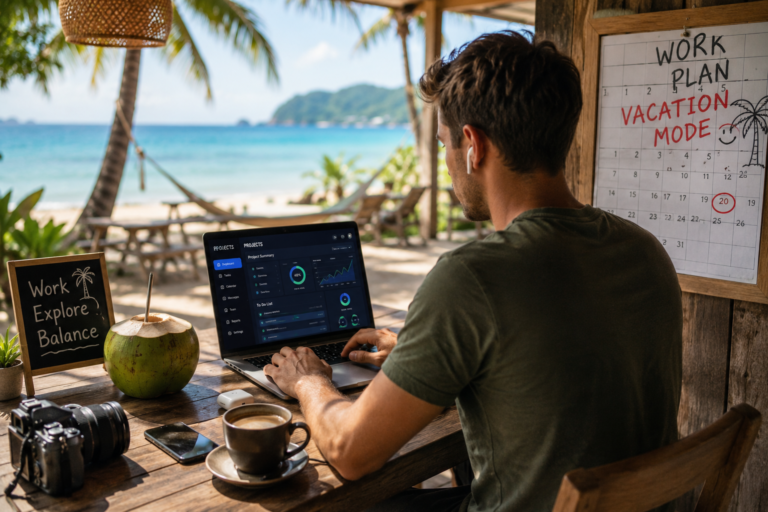
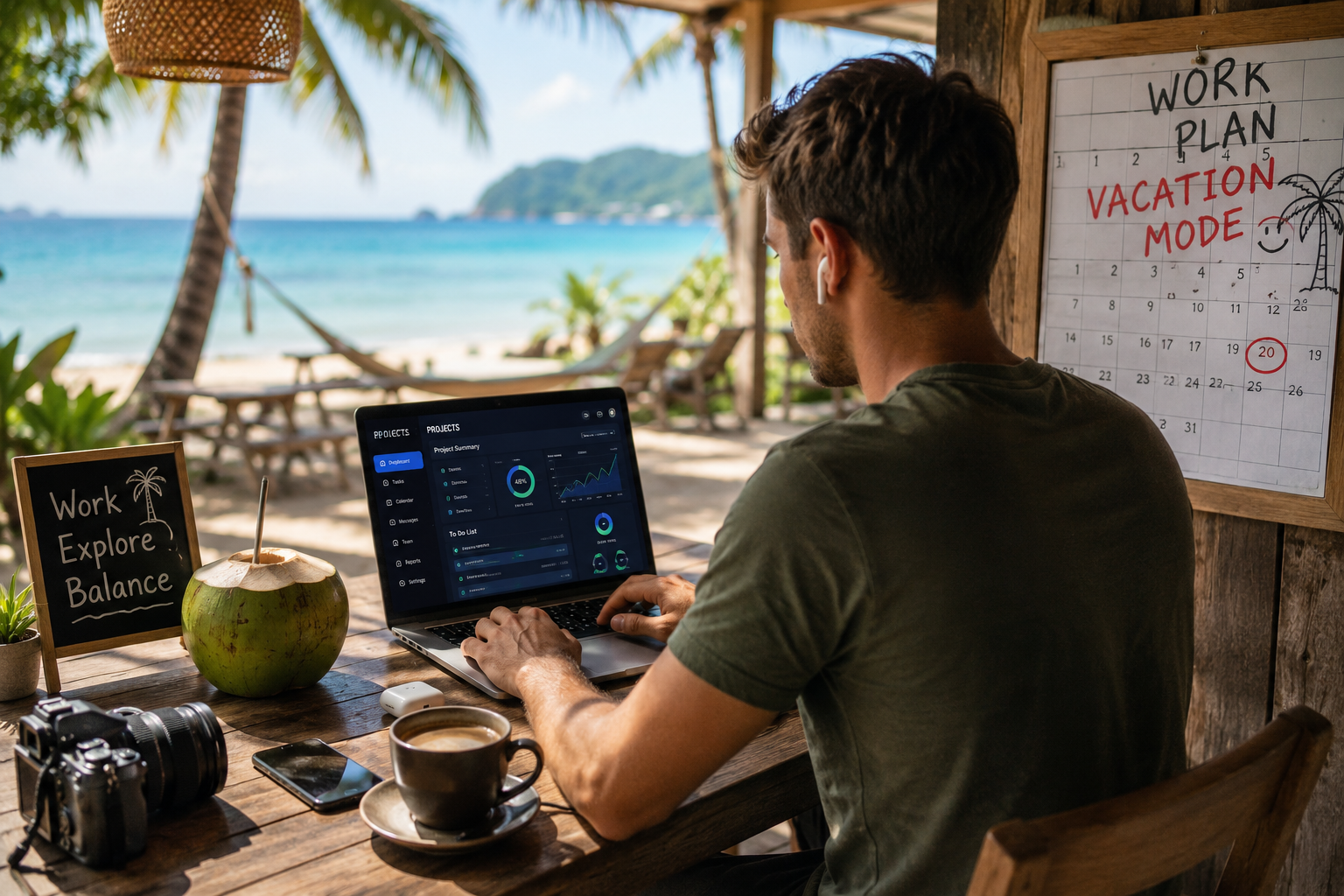
Quiet vacationing allows employees to enjoy travel while staying connected to work through remote technology and flexible schedules making it one of the biggest workplace trends of 2026
The way people work is changing
Remote jobs flexible schedules and hybrid offices have completely changed the modern workplace
Employees now have more freedom than ever before
At the same time many workers are searching for better work life balance
This has led to the rise of a new workplace trend called quiet vacationing
The idea has become popular across social media career websites and online discussions
Some people believe it is a smart way to reduce stress
Others think it creates problems for employers and coworkers
So what exactly is quiet vacationing
And why is everyone talking about it in 2026
Let us take a closer look
What Is Quiet Vacationing
Quiet vacationing happens when employees take time to relax while continuing to appear available for work
Instead of officially requesting leave some people answer a few emails attend important meetings or complete small tasks while spending time away from home
This trend became more common after remote work became widely accepted
Many workers discovered they could stay connected while traveling or enjoying personal time
Why Is This Trend Growing
Several factors have contributed to the popularity of quiet vacationing
Remote work gives employees more flexibility
Cloud based tools make it possible to work from almost anywhere
Many people also feel pressure to avoid using all of their vacation days
Some worry about returning to large workloads after taking time off
Others simply want greater control over how they balance work and personal life
How Remote Work Changed Everything
In the past most office jobs required employees to be physically present
Today many professionals only need a laptop and an internet connection
This has created new ways of working
Employees can join meetings from different cities
Reply to messages while traveling
Complete tasks from hotels cafes or vacation rentals
Technology has made location much less important for many jobs
Why Employees Like Quiet Vacationing
Many workers see several benefits
Better Work Life Balance
People can enjoy time with family and friends without completely disconnecting from work
Less Stress
Checking in occasionally may reduce the anxiety of returning to hundreds of unread emails
Greater Flexibility
Workers can choose when and where they complete important tasks
Improved Well Being
Even short breaks from daily routines can improve mood and energy levels
Why Some Employers Are Concerned
Not everyone supports this trend
Some managers believe employees should either work fully or take proper vacation time
Quiet vacationing can sometimes create confusion within teams
Coworkers may not know whether someone is fully available
Communication can become more difficult
There are also concerns about productivity and accountability
For these reasons many companies encourage employees to take official time off instead
Is Quiet Vacationing Good or Bad
The answer depends on the situation
For some employees it provides flexibility without affecting performance
For others it may lead to unclear expectations and increased pressure
Experts generally agree that open communication between employers and employees is the best solution
Clear policies help everyone understand when people are working and when they are taking personal time
How Companies Are Responding
Many businesses are adapting to changing workplace expectations
Some organizations now offer
- Flexible schedules
- Unlimited vacation policies
- Remote work options
- Mental health days
- Better work life balance programs
These changes help employees recharge without feeling guilty about taking leave
Tips for Employees
If you are considering quiet vacationing keep these ideas in mind
Understand Company Policies
Know what your employer expects regarding remote work and vacation time
Communicate Clearly
If possible let your manager know your availability
Avoid Burnout
Taking real breaks is important for long term health and productivity
Respect Team Responsibilities
Make sure important work is covered before taking time away
Will Quiet Vacationing Continue
Many experts believe flexible work trends will continue growing
As technology improves employees will have even more freedom to choose where they work
However companies are also expected to create clearer guidelines to balance flexibility with business needs
The future workplace will likely focus on results rather than location
Quiet vacationing may become one part of this larger shift
FAQ
What is quiet vacationing
Quiet vacationing is the practice of relaxing away from home while remaining partially available for work
Why is quiet vacationing becoming popular
Remote work flexible schedules and changing workplace expectations have made it easier for employees to stay connected while traveling
Is quiet vacationing the same as remote work
No remote work is an official work arrangement while quiet vacationing combines personal travel with limited work activity
Do companies allow quiet vacationing
Policies vary from one employer to another
Some companies support flexibility while others encourage employees to take official leave
Can quiet vacationing improve work life balance
When managed responsibly it can help some employees enjoy greater flexibility and reduce stress
Conclusion
Quiet vacationing is one of the most talked about workplace trends of 2026
It reflects how remote work and flexible schedules are changing the relationship between work and personal life
While the trend offers greater freedom it also raises important questions about communication expectations and employee well being
As workplaces continue evolving finding the right balance between productivity and personal time will remain one of the biggest challenges for both employees and employers
About the Author