
Micro-retirement is becoming a popular lifestyle choice as more young professionals prioritize travel, personal growth, and work-life balance instead of waiting until traditional retirement age.
Artificial intelligence, remote work, and changing lifestyles are reshaping how people think about their future.
For decades, the traditional plan was simple. Study, build a career, work until retirement age, and then enjoy life.
But many young professionals are no longer following that path.
Instead of waiting until their 60s to enjoy freedom, a growing number of people are taking extended breaks throughout their careers. This lifestyle trend is known as micro-retirement.
The idea has gained attention across social media, personal finance communities, and remote work circles.
But what exactly is micro-retirement, and why are so many people interested in it in 2026?
Let’s explore this growing lifestyle movement.
What Is Micro-Retirement?
Micro-retirement is the practice of taking planned breaks from work during your career rather than waiting until traditional retirement age.
These breaks can last anywhere from a few months to a few years.
During this time, people may:
- Travel the world
- Learn new skills
- Start a passion project
- Spend more time with family
- Focus on health and personal growth
- Explore different career opportunities
Unlike a vacation, a micro-retirement is a longer and more intentional break designed to improve overall life satisfaction.
Why Is Micro-Retirement Becoming Popular?
Several major changes have made this lifestyle more realistic than ever before.
Many people realized after the pandemic that life is unpredictable.
Instead of postponing happiness for decades, they want to enjoy meaningful experiences while they are still young and healthy.
At the same time, remote work and freelance opportunities have created more flexibility than previous generations had.
As a result, many workers are questioning traditional career paths.
The Impact of Remote Work
Remote work has played a huge role in the rise of micro-retirement.
Many professionals no longer need to remain in one location.
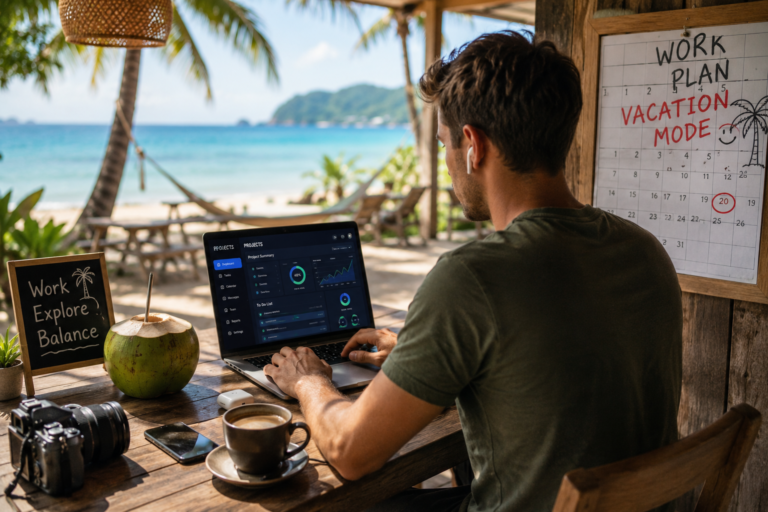
Some people work remotely while traveling, while others save money for a year and then take several months away from work.
The ability to earn income online has made career breaks less risky for many individuals.
This flexibility has encouraged people to design lifestyles that match their personal goals rather than traditional expectations.
Social Media Is Influencing Career Choices
Platforms like YouTube, TikTok, and Instagram have introduced people to alternative lifestyles.
Users regularly see content from:
- Digital nomads
- Travel creators
- Remote workers
- Entrepreneurs
- Freelancers
These stories inspire others to rethink how they spend their time.
Many young professionals now value experiences as much as financial success.
Instead of waiting decades to travel or pursue personal goals, they want to do it now.
Financial Planning Still Matters
While micro-retirement sounds appealing, it requires careful preparation.
Successful micro-retirees usually plan ahead by:
- Building savings
- Reducing debt
- Creating emergency funds
- Developing remote income sources
- Managing expenses carefully
Without financial planning, an extended career break can create unnecessary stress.
Experts often recommend saving enough money to cover living expenses before leaving a job temporarily.
Benefits of Micro-Retirement
Many people report significant advantages after taking a career break.
Improved Mental Health
Constant work can lead to burnout.
A planned break allows people to recharge, reduce stress, and return with a fresh perspective.
Better Work-Life Balance
Micro-retirement gives people time to focus on personal goals that are often neglected during busy work schedules.
New Skills and Experiences
Many individuals use their break to learn languages, study online, volunteer, or develop professional skills.
These experiences can sometimes improve future career opportunities.
Greater Life Satisfaction
Many people feel happier when they actively pursue experiences rather than delaying everything until retirement.
Challenges of Micro-Retirement
Like any lifestyle choice, micro-retirement also has disadvantages.
Career Interruptions
Some industries may view career gaps negatively.
Although attitudes are changing, certain employers still prefer continuous work experience.
Financial Risks
Poor planning can create financial difficulties.
Unexpected expenses may become difficult to manage without a stable income.
Returning to Work
Re-entering the workforce may require additional effort, especially in rapidly changing industries.
Keeping skills updated during a break can help reduce this challenge.
Who Is Choosing Micro-Retirement?
The trend is especially popular among:
Remote Workers
Flexible jobs make career breaks easier to manage.
Freelancers
Independent professionals often have more control over their schedules.
Entrepreneurs
Business owners sometimes take breaks between projects or ventures.
Young Professionals
Many younger workers prioritize experiences and personal growth over traditional career timelines.
Is Micro-Retirement Replacing Traditional Retirement?
Not necessarily.
For most people, micro-retirement is not a replacement for retirement.
Instead, it is an addition to long-term life planning.
People still save for the future while creating opportunities to enjoy life today.
The goal is balance.
Rather than spending decades working and postponing personal dreams, individuals create periods of freedom throughout their careers.
The Future of Work and Lifestyle
As technology continues to evolve, flexible work arrangements are becoming more common.
Remote jobs, freelance platforms, online businesses, and digital skills have created opportunities that were difficult to imagine a decade ago.
Because of this, experts believe lifestyle trends like micro-retirement may continue growing over the next several years.
While it may not be suitable for everyone, it reflects a larger shift in how people think about success, work, and happiness.
FAQ
What is micro-retirement?
Micro-retirement is a planned career break taken during working years instead of waiting until traditional retirement age.
How long does a micro-retirement last?
It can last anywhere from a few months to several years depending on personal goals and finances.
Is micro-retirement only for wealthy people?
No. Many people prepare through savings, budgeting, and remote income opportunities.
Does micro-retirement hurt your career?
It depends on the industry and how well the break is planned. Many professionals return with valuable new skills and experiences.
Why is micro-retirement becoming popular?
Changing attitudes toward work, remote job opportunities, and a stronger focus on life experiences are driving the trend.
Conclusion
Micro-retirement is one of the most interesting lifestyle trends emerging in 2026.
Rather than waiting until their 60s to enjoy freedom, many young professionals are creating opportunities to travel, learn, explore, and focus on personal growth throughout their careers.
While it requires careful planning and financial discipline, the concept is attracting people who want a better balance between work and life.
As flexible work continues to expand, micro-retirement may become an increasingly common part of modern career planning.
About the Author